If you are experiencing domestic violence in New Zealand, support is available. Whether you are considering leaving your home or are unsure what to do next, a specialist support organisation can help you explore your options and plan for your safety.
Moving out can feel difficult and overwhelming, especially when children are involved. You do not have to work through this alone, and you do not need to have everything decided before asking for help.
If you or someone else is in immediate danger, call 111 and ask for Police.
Domestic violence support organisations
Several organisations in New Zealand offer support for people experiencing domestic or family violence. These include:
- Women’s Refuge: call 0800 733 843 for support and advice.
- Shine: call 0508 744 633 for support, safety planning and information about local services.
- Are You OK: access information and support for people affected by family violence.
A support worker can help you consider your next steps, including accommodation, legal advice, emotional support and a safety plan for you and any children. If you are planning a move, discuss how and when it can happen as safely as possible.
Additional steps that may help
Reach out to trusted family and friends
If it is safe to do so, speak to someone you trust. They may be able to offer emotional support, temporary accommodation or practical help. Let them know if your plans or location need to stay private.
Talk to a lawyer
A lawyer can explain your rights and options, including protection orders and issues involving children, housing or belongings. Legal protection is not limited to people who are married or in a de facto relationship. Ask about the help available for your circumstances and whether you qualify for legal aid.
Contact the police
If you are in immediate danger, call 111 and ask for Police. For matters that do not need an urgent police response, you can contact Police on 105. A specialist family violence support worker can also help you understand your options for reporting abuse.
Consider a protection order
A protection order can place legal restrictions on someone who has used family violence against you. It may apply to a current or former partner, family member or someone in another qualifying close personal relationship.
Applications are made to the Family Court. If protection is needed urgently, a temporary protection order may be available without notifying the other person first. A lawyer can help you understand whether this is appropriate and prepare your application.
Ask about financial assistance
Work and Income may be able to help with moving costs, a bond, accommodation costs in advance or other essential expenses. Eligibility depends on your circumstances, and some assistance must be repaid.
You do not always need to be receiving a benefit to qualify. Explain that you are experiencing family violence so Work and Income can consider the support relevant to your situation. If you need help paying for a move, ask about a Moving Costs Grant and what documents or quotes are required.
How to access emergency housing in New Zealand
If you cannot safely stay where you are and have nowhere to stay tonight or within the next seven nights, Work and Income may be able to help with emergency housing. A family violence support organisation can also help you explore refuge accommodation and other safe housing options.
Emergency housing eligibility depends on residency criteria, income, assets and your circumstances. It is not limited to New Zealand citizens and permanent residents, so contact Work and Income rather than assuming you cannot get help.
Work and Income will consider other suitable housing options first. If emergency housing is approved, the accommodation offered will depend on your needs and what is available.
Apply for emergency housing
Call Work and Income on 0800 559 009, or 0800 552 002 if you are aged 65 or over. Explain your housing situation and any safety concerns. You may be asked for information about your income, assets and other accommodation options.
Speak to Work and Income before booking or paying for accommodation if you need help covering the cost. They will explain the application process and any supporting documents you need.
Emergency housing is usually approved for a short period, often seven nights. If you still need it afterwards, Work and Income will arrange a follow-up appointment to review your circumstances and discuss other housing options.
In most cases, approved accommodation costs are covered for the first seven nights. From the eighth night, an Emergency Housing Contribution applies. This is generally the higher of 25% of your weekly after-tax income, including a partner’s income where applicable, or 25% of the relevant Jobseeker Support rate. Work and Income will confirm the amount and explain your responsibilities.
How Wise Move can help
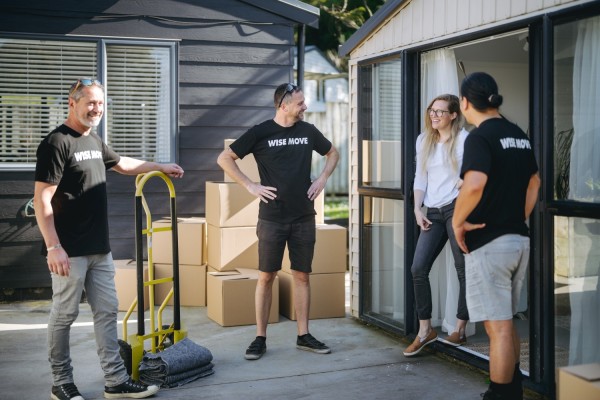
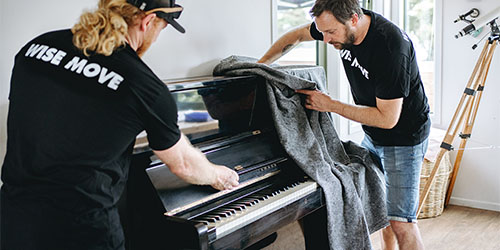
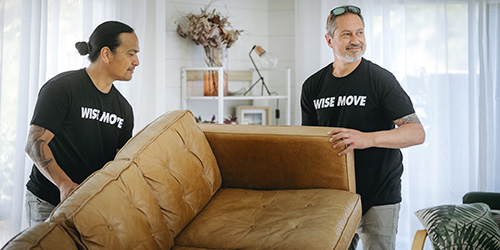
When you are ready to move, practical help with your belongings can make a difficult day more manageable. With Wise Move, you can discuss a carefully handled move around your circumstances, timing and communication needs.
Contact the support team before booking to discuss any arrangements that matter for your safety. These may include:
- A suitable collection time and any restrictions on access to the property.
- Whether an unmarked vehicle is available for your move.
- A safe way and time to contact you, including whether calls, texts, emails or voicemail messages are appropriate.
- A formal quote for an application to Work and Income (WINZ) or a support organisation.
- Communication through a support worker or another person you have authorised.
- How your collection and delivery details will be handled, and who needs access to them.
- Any requests about marketing messages or other follow-up communication.
Confirm any essential arrangements with the support team before relying on them. Moving support should fit within the safety plan you have discussed with a specialist family violence service.
How to contact Wise Move for moving support
If it is safe for you to email, contact support@wisemove.co.nz to discuss your move. Let the team know how and when it is safe to reply, and share only the information needed to begin the conversation.
A charity, refuge or support worker can also contact Wise Move on your behalf with your permission. The team can discuss your requirements, available arrangements and costs before you book.
For urgent safety assistance, contact Police or a specialist family violence service rather than waiting for an email response.
You deserve to feel safe in your home. Whether you are ready to move or simply want to understand your options, support is available to help you take the next step at your own pace.